
Online Webinar | 21 April 2026 | 10:00am – 11:30am CEST | 06:00pm – 07:30pm AEST
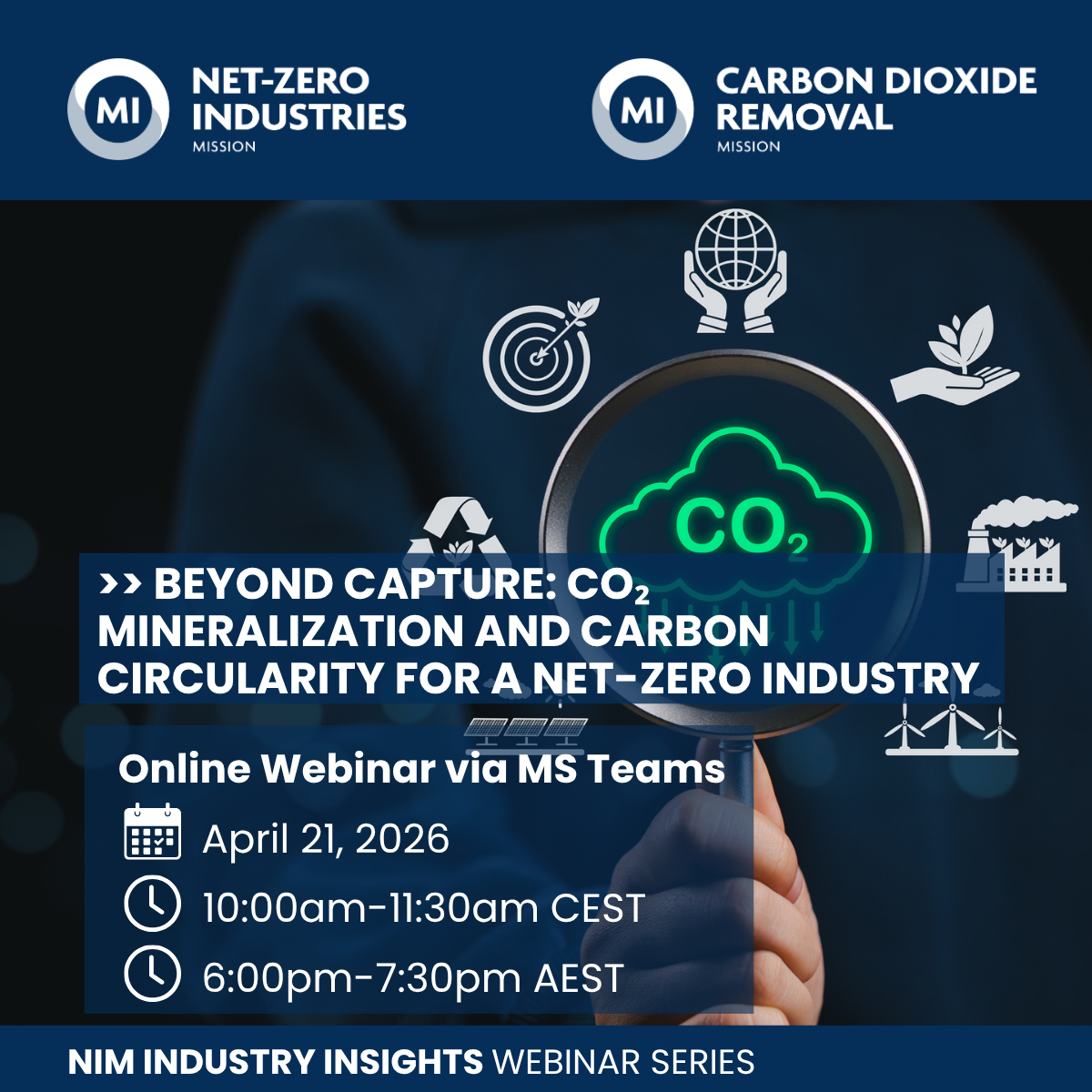
The NIM Industry Insights webinar “Beyond Capture: CO₂ Mineralisation and Carbon Circularity for a Net-Zero Industry” brought together 90 participants from over 14 countries, highlighting strong global interest in advanced carbon management solutions.
Organised jointly by the Net-Zero Industries Mission (NIM) and the Carbon Dioxide Removal (CDR) Mission, the session provided an international platform to explore mineralisation, utilisation, and circular carbon pathways as key enablers of industrial decarbonisation.
Why Mineralisation and Circularity Matter
As industries accelerate towards net zero, the question of how to manage captured CO₂ is becoming increasingly critical. This webinar focused on CO₂ mineralisation and carbon circularity as complementary approaches that combine permanent storage with value creation.
A central theme emerged: CO₂ should no longer be viewed as waste, but as a resource that can be reintegrated into industrial value chains, supporting both climate targets and economic transformation.
Strategic Framing
Dr Alan Monaghan, NIM Mission Coordinator, opened the session and set the stage for an interactive exchange across science, engineering, and industry.
Urban Peyker, Mission Director of NIM, emphasised mineralisation as a “last mile” solution for hard to abate sectors such as cement, steel, chemicals, and refining. He highlighted the interdisciplinary nature of the field and NIM’s role in accelerating large scale demonstrations and reducing investment barriers through international collaboration.
Juho Lipponen, Acting Director of the CDR Mission, positioned mineralisation within the broader carbon removal landscape and underlined its importance for addressing residual emissions while scaling durable CDR solutions globally.
Keynote: Closing the Carbon Loop
Sophia Hamblin Wang, Co Founder and COO of MCi Carbon, presented mineral carbonation as a critical link between CO₂ capture and true carbon circularity.
She demonstrated how CO₂ can be permanently converted into stable materials such as magnesium carbonate, calcium carbonate, and silica, all of which have commercial value. Drawing on more than a decade of scale up experience, she outlined MCi’s pathway from pilot to industrial deployment, including integration with low purity CO₂ streams and direct air capture.
Her key message was clear: climate solutions must be both technically robust and economically viable in order to scale.
From Theory to Practice: Global Project Insights
The project session showcased real world applications across diverse regions:
- Professor Hussein Hoteit of KAUST in Saudi Arabia presented subsurface mineralisation in basalt formations, demonstrating rapid and reliable CO₂ conversion even in water constrained environments.
- Angeliki Kapatza of Carbfix in Iceland and beyond illustrated the transition from pilot to commercial operations, including certified carbon removal credits and pioneering regulatory approvals in Europe.
- Dr Kun Viviana Tian, CEO and Co Founder of MEH Italy, highlighted flexible mineralisation technologies operating under ambient conditions, enabling integration into existing industrial systems and the production of marketable materials.
- Professor Tao Wang of Zhejiang University in China demonstrated large scale deployment using industrial waste streams, including applications in construction materials and concrete curing.Across all cases, a clear trend emerged: mineralisation is moving from experimental development to early commercial scale, with growing geographic and industrial diversity.
Panel Discussion: Scaling Challenges and Opportunities
The panel explored technical and economic barriers to scaling, including geological suitability and injectivity, mass transfer and process efficiency, infrastructure and system integration, and the proximity between CO₂ sources, storage sites, and end markets.
A key takeaway was that while mineralisation builds on natural processes, successful deployment depends on engineering optimisation, supportive policy frameworks, and strong market alignment.
Importantly, the discussion reinforced a shift in perspective: CO₂ is not a liability, but a feedstock for new low carbon value chains.
Key Takeaways
In the closing remarks, Urban Peyker highlighted how the session complements earlier CCUS discussions by demonstrating pathways for permanent CO₂ utilisation and storage.
He pointed to rapid global progress, with active projects across Saudi Arabia, Iceland, Canada, China, and Australia, and emphasised the increasing maturity of both technologies and business models.
Juho Lipponen underscored the importance of continued international collaboration to scale solutions at the intersection of capture, utilisation, and removal.
Looking Ahead
The webinar concluded with strong engagement and clear evidence that CO₂ mineralisation and carbon circularity are transitioning from concept to implementation.
Future NIM Industry Insights sessions will continue to build on this momentum, fostering collaboration and accelerating the deployment of scalable and durable carbon management solutions.
Watch the webinar recording
Presentations
- Welcome Note NIM, Urban Peyker, NIM Mission Director
- Welcome Note CDR, Juho Lipponen, CDR Mission Director
- Keynote – Closing the Carbon Loop: Mineral carbonation as the missing link between capture and circularity, Sophia Hamblin-Wang, MCi Carbon
- The Jizan Carbon Mineralization Pilot, Professor Hussein Hoteit, KAUST
- Carbfix: Turning CO₂ into stone since 2012, Angeliki Kapatza, Carbfix
- Riding the Flux: CO₂ Utilisation in Diverse Operating Environments – From Seaside to Inland, Dr Kun Viviana Tian, MEH Italy
- Research Progress on Carbon Dioxide Mineralization Utilization Technology, Professor Tao Wang, Zhejiang University
For questions regarding the Carbfix contribution, please contact Angeliki Kapatza, Carbfix (Email: angelikik@carbfix.com), LinkedIn: https://www.linkedin.com/in/angelina-kapatza/.
Speakers
Urban Peyker, NIM Mission Director, Head of Industry, Enterprise and Financing, Climate and Energy Fund, Austria
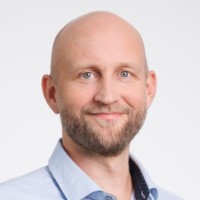
Urban Peyker is the Head of the Industry, Enterprise, and Financing department at the Austrian Climate and Energy Fund. He leads initiatives to promote sustainable industrial practices and drive Austria’s transition to clean energy. Previously, he managed programs on Smart Grids, Hydrogen and Industrial Decarbonisation at the Austrian Research Promotion Agency (FFG). He has also worked as an energy efficiency consultant and as an energy market analyst. Peyker plays a key role in funding and supporting projects that enhance energy efficiency, sustainability, and climate innovation. His leadership contributes significantly to Austria’s climate goals and the advancement of green technologies.
Juho Lipponen, CDR Mission Director
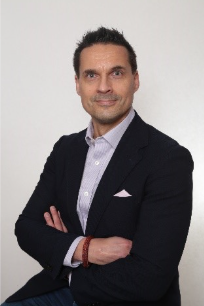
Juho is Coordinator and Acting Director of the Mission Innovation CDR Mission, working with the Mission member countries to advance innovation and policy development of technological carbon dioxide removals. Juho works closely with the three Mission country Co-Leads and all eleven Mission Member governments, and is responsible for the day-to-day running of the Mission. Prior to this, Juho was Head of Carbon Capture and Storage Unit at the International Energy Agency, and acting Head of Energy Technology Policy Division. Before joining the IEA, Juho held several positions at Eurelectric in Brussels.
Sophia Hamblin-Wang, COO and co-founder of MCi Carbon

Recognised as a World Economic Forum Young Global Leader and Member of the Asia Society, Sophia is a graduate from Harvard University’s Executive Education program. Sophia showcased MCi’s groundbreaking technology at COP26, securing 1st place in the Net Zero Technology Centre Pitch Battle. Committed to global climate action, she co-founded CO₂ Value Australia, is a member of the Australian Capital Territory Climate Change Council, and serves on the board of the Climate Ready Initiative. Sophia’s insights have been featured in major outlets such as Forbes, The New York Times, Time Magazine, TEDx, and the Australian Financial Review.
Hussein Hoteit, Professor Earth Systems Science and Engineering, King Abdullah University of Science and Technology (KAUST)
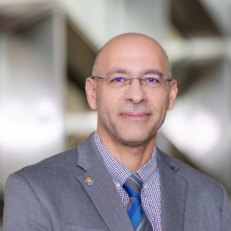
Dr. Hussein Hoteit is professor of the Earth Systems Science and Engineering (ESSE) Program at KAUST. His work spans reservoir engineering, multiphase fluid flow and reactive transport, with a present focus on energy-transition applications. Before joining KAUST in 2016, he spent about 15 years in the oil and gas industry at Reservoir Engineering Research Institute (RERI), ConocoPhillips and Chevron. He currently serves as a lead author for Chapter 15, “Potentials, Limits, and Risks of Carbon Dioxide Removal,” in the IPCC Working Group III, in the Seventh Assessment Report (AR7).
Angeliki Kapatza, Carbfix, Iceland
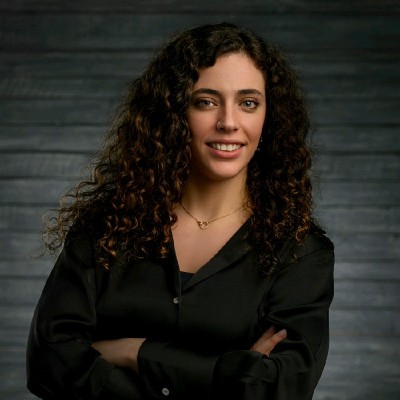
Angeliki Kapatza is a Geologist at Carbfix. She leads geological screening and subsurface evaluation for safe, permanent CO₂ storage and carbon mineralisation at sites worldwide. Her work spans geological modelling, reservoir characterisation and subsurface risk assessment to underpin successful carbon mineralisation projects.
Kun Viviana Tian, CEO and co-founder of Mesoscale Engineering Halcyon (MEH Italy)
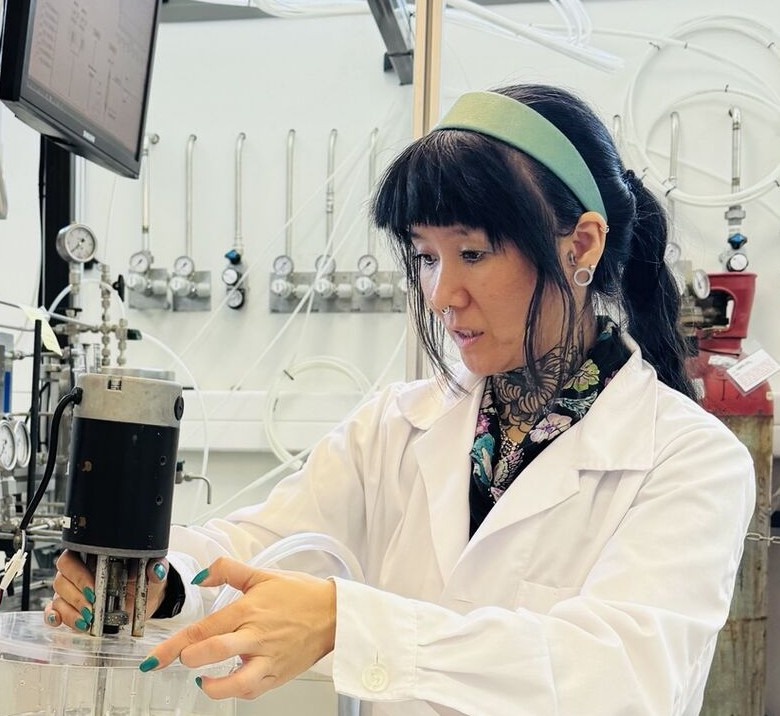
Originally a clinical and practicing dentist, Dr. K. V. Tian (KVT) has expertise in (bio)materials, alloys and (bio)cementation. In 2009, KVT shifted foci to cementitious materials, structural alloys and ancient Roman + Chinese cements, via mechanical testing, non-destructive neutron scattering + THz spectroscopy, and advanced simulations. Work in these areas contributed to novel approaches in the Carbon Capture and Utilization (CCU) sector. Through her companies, she has advanced evolution of innovative CCU-technologies in operating environments.
Professor Tao Wang,Zhejiang University, China
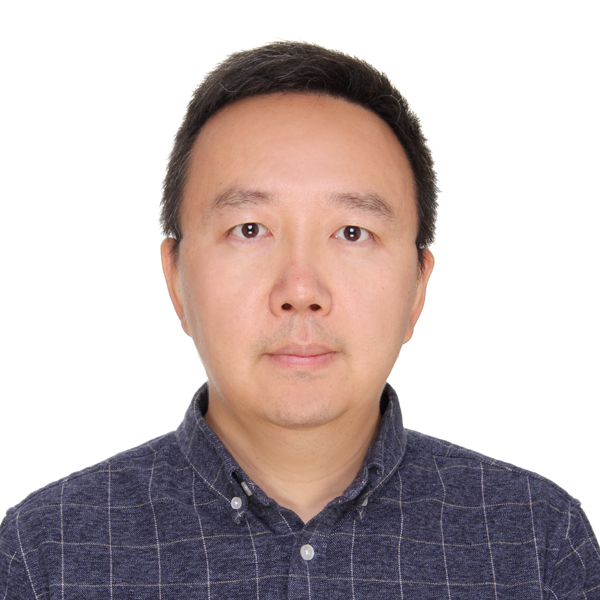
Professor Tao Wang holds a Ph.D. in Engineering Thermophysics from Zhejiang University and completed postdoctoral research at Columbia University, USA. He is currently a Ph.D. Supervisor at the College of Energy Engineering, Zhejiang University, and serves as Deputy Director of the Collaborative Innovation Center for Clean Coal Power Generation with Staged Conversion. His research focuses on post-combustion CO₂ capture and mineralization for co-producing bulk concrete materials from multi-source solid waste.
Moderator
Dr Alan Monaghan, NIM Mission Coordinator

Dr Alan Monaghan, Global Mission Coordinator of the Net-Zero Industries Mission, is a physicist, specialising in developing and delivering executive level strategy and change programs, from organisational restructures and project delivery capability establishment, through to the special risk management needed for technology development, implementation and commercialisation. He is currently the Senior Vice President of the global Technology & Expert Solutions team for Worley’s Resources sector, where Worley’s global SME pool is engaged to provide high priority customer solutions, across innovation and solution validation, through to project delivery, including leading their First of a Kind technology delivery and external technology partnership programs.